
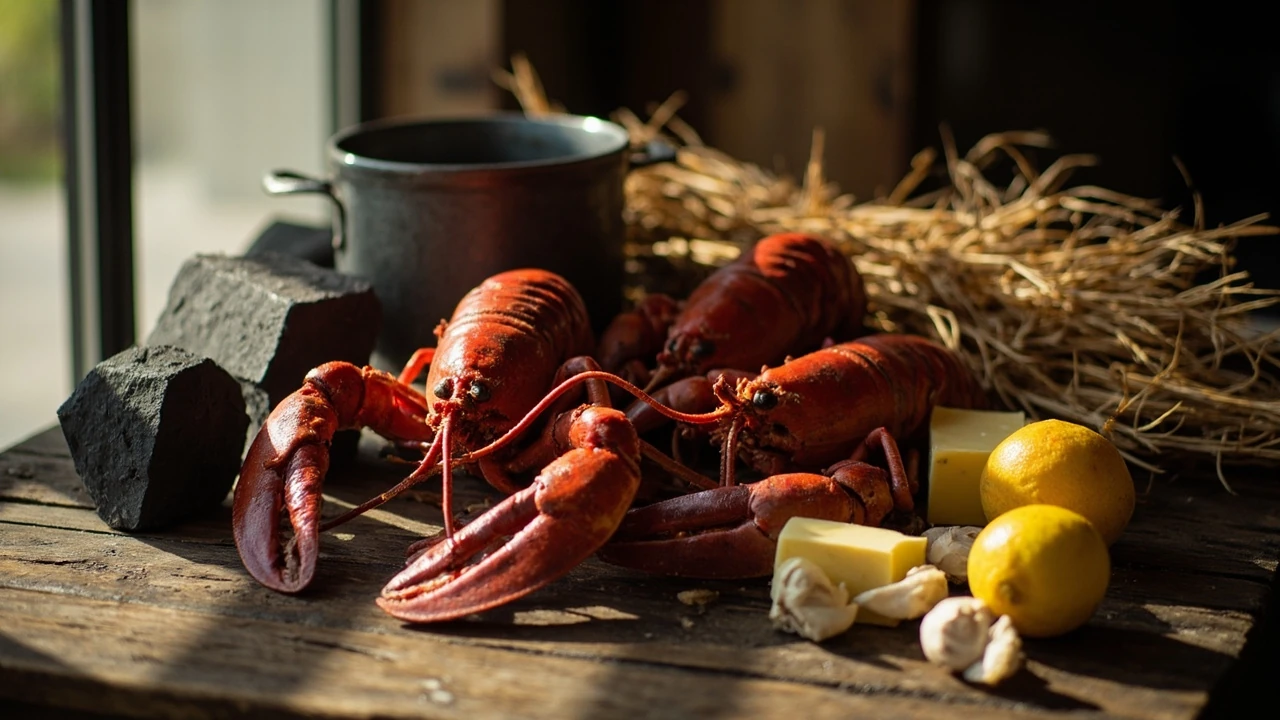
Lobster roll Dreamlight Valley: recipe, ingredients, and sourcing
Cooking a lobster roll in Disney Dreamlight Valley is one of the more involved five-star entrée recipes because every ingredient has its own biome, vendor, or foraging rule. The dish is rewarding when you understand the chain that produces it: protein from the Dazzle Beach shallows, a plant from Sunlit Plateau, a spice from Frosted Heights, and two staples that most players already accumulate. The guide below walks through the exact list, where to find each piece, the cooking station mechanics, the energy and star-rating outcomes, and the most common reasons a cook attempt fails. It also covers the sell price, gifting behavior, and the design pattern that the recipe shares with other five-star entrées, which is useful when you plan a wider cooking pass through the valley.
Most players hit the lobster roll after they have already cleared Dazzle Beach for the daily lobster shell, after they have built a small wheat patch in Peaceful Meadow, and after they have unlocked Remy’s restaurant. The recipe then becomes a routine cook rather than a project. That is also when the value of the dish becomes obvious: the inputs are cheap, the energy return is high, and the sell price clears star-coin shortfalls faster than most three- and four-star dishes. The rest of this article breaks each part of that routine down so you can move from a first successful cook to a steady weekly batch.
What the lobster roll is in the recipe system
The lobster roll is a five-star entrée in the Dreamlight Valley cooking system. Five-star recipes always require five distinct ingredients, and the game assigns a star rating based on the count of unique items, not their rarity. That distinction matters for planning: a star dish is not automatically expensive to cook, but it is always the most demanding in terms of how many different biomes, vendors, or growing cycles you need to clear before you can place the pot on a stove.
In the wider meal taxonomy, the lobster roll sits in the seafood entrée group alongside dishes like the seafood pasta, the fish sandwich, and the sushi line. Seafood recipes in the valley tend to be heavy on ingredients sourced from Dazzle Beach and Freshwater Shores, and they tend to require one aromatic or spice from a colder biome, which is what gives the lobster roll its fifth slot. The recipe is also one of the few that requires a cooked shellfish rather than a raw fish, which means there is a small upstream dependency: you need a live lobster first, and that is gathered, not bought.
Mechanically, the lobster roll behaves like every other entrée: you open the recipe, the game checks that the five named items are in your bag, you confirm the cook, the pot takes one piece of coal, and a short whisking minigame runs. There is no lobster-roll-specific variation in that interaction, only the ingredient list and the resulting dish. The star rating of five also means the dish counts toward the cooking questline that asks for a five-star entrée, which is the most common reason a player who has never cooked the dish tries it for the first time.
Ingredient list at a glance
To cook the lobster roll you need exactly five ingredients, and each one has a specific source. The list is short, but the variety is what makes the recipe take longer than a three-star entrée like a basic fruit salad.
- 1 lobster, gathered from the Dazzle Beach shallows near the wooden bridge and the wooden pier.
- 1 wheat, grown from seeds purchased at Goofy’s Stall in Peaceful Meadow or harvested from your own farm.
- 1 garlic, purchased at Remy’s Pantry or grown from a garlic seed starter.
- 1 butter, purchased at Remy’s Pantry.
- 1 lemon, gathered from wild lemon trees in the Forest of Valor or the Sunlit Plateau.
Once the five ingredients are in your bag, the only additional requirement is one piece of coal to start the cooking process, which is the same fuel cost the game uses for every recipe. Coal is bought at Kristoff’s Stall in the Forest of Valor for a small star coin price, or mined from the rock nodes scattered across the same biome.
A useful habit is to keep the five ingredients stored as a named stack in your house chest. The lobster is the only one that cannot be stockpiled cheaply because the spawns are limited, but the other four can be batched from a single Goofy’s run, a single Remy’s pantry run, and a single lemon shake in the Forest of Valor. Once the stack is in place, every cook reduces to a lobster grab plus a coal top-up.
Where to find each ingredient
Each ingredient has its own reliable route. If you build the lobster roll from scratch in a single session, the most efficient path is to plan the run by biome so you do not waste time bouncing between regions. The subsections below describe each stop, the exact source, and the respawn behavior that determines how often you can come back to the same node.
Lobster from Dazzle Beach
Lobsters are gathered, not fished. You walk into the shallow water along the Dazzle Beach shoreline and pick them up by hand. The reliable spawns are along the wooden bridge, the wooden pier, and the stretch of beach between the two. You do not need a fishing rod, and you do not need to be inside a fishing minigame. The lobster is treated like a foraging node, and one spawn replaces another after a short respawn timer. If you are doing a long cook run and need several lobsters, you can also use the Night Thorn clearing pattern to keep the area clean and the spawns active.
The spawn pattern is consistent enough that a player who has cooked the dish more than a few times tends to remember two or three specific nodes and rotate between them. A single lobster per cook is enough, so the run is not a long grind, but a session that needs six to ten rolls will require either a respawn wait or a detour to a friend’s valley to keep the loop short.
Wheat from Peaceful Meadow or your farm
Wheat seeds are sold at Goofy’s Stall in Peaceful Meadow, and once the seeds are planted they grow into wheat in roughly the same time as other grain crops. Wheat is also a common byproduct of harvesting from a friendlier valley, so most players who have already run a farming pass through the meadow have a stockpile. If you only need one stalk, the cheapest path is to buy the seed, plant it, and water it once. The grow timer is short enough that the seed is rarely worth optimizing further.
The same wheat is shared with several other five-star recipes, so a small standing patch in Peaceful Meadow tends to pay for itself within a couple of cook sessions. If you have already unlocked the Forgotten Lands biome, the larger plots there can host a fuller wheat field that keeps the pantry, the bakery line, and the lobster roll fed at the same time.
Garlic and butter from Remy’s Pantry
Remy’s restaurant unlocks as part of the main friendship questline, and once it does, the pantry in his kitchen sells garlic and butter for star coins. Both are common pantry staples that show up in a wide range of recipes, so once you have access to the pantry you rarely run out. If you are not yet far enough in the Remy arc to have unlocked the pantry, garlic is also growable from a seed starter that you can buy at Goofy’s Stall, although that route is slower than simply buying the harvested clove directly.
Butter has no other in-game source, so unlocking Remy’s pantry is effectively a hard requirement for any player who wants to cook the lobster roll on a regular schedule. Garlic is the more flexible of the two because the seed starter is always available at Goofy’s Stall, but the pantry price is low enough that the slower farming route is rarely worth the time.
Lemon from the Forest of Valor or Sunlit Plateau
Lemons hang from wild lemon trees in the Forest of Valor and a small number of trees in the Sunlit Plateau. You shake the tree or pick the fruit directly. Lemons respawn on a normal foraging timer, so the supply is reliable once the biomes are unlocked. If the Forest of Valor is the first area you unlocked after the Plaza, you will have seen the lemon trees early, and the lobster roll is one of the recipes that finally makes the stockpile useful.
The Sunlit Plateau lemon spawns are fewer, but they are useful when the Forest of Valor is busy with a quest event. The trees are also one of the more visible foraging nodes, which makes them a good teaching example for new players learning how the foraging timer works.
Coal to fuel the cook
Coal is the universal fuel for any cooking station. You can buy it at Kristoff’s Stall in the Forest of Valor, mine it from the dark rock nodes in the same biome, or pick it up from a friend’s valley. The game does not differentiate between purchased and mined coal, and the fuel cost of the lobster roll is the same as the cost of any other recipe: exactly one piece.
A common early mistake is to treat the cooking station as if it runs on its own timer. The pot is a fuel-driven appliance, and the lobster roll will sit unstarted in the pot until the coal slot is filled. The fuel cost is the same whether the dish is a one-star snack or a five-star entrée, so the routine of topping up coal at Kristoff’s Stall applies to every cook in the game.
Step-by-step cook sequence
Once the five ingredients are gathered, the actual cook is short. The longer part of the work is the run that gathers the lobster, the lemon, and any pantry item you are missing. The sequence below is the cleanest version of the routine, with each step tied to a fast-travel point so the loop stays short.
- Open the map and fast travel to Dazzle Beach. Walk into the shallows and gather one lobster from a known spawn point near the wooden bridge or the wooden pier.
- Fast travel to Peaceful Meadow and stop at Goofy’s Stall. Buy one wheat if you do not already have one, and pick up any seeds you want to grow later.
- Fast travel to the Forest of Valor. Forage one lemon from a wild tree, and pick up one piece of coal from Kristoff’s Stall or mine it from a rock node on the way out.
- Fast travel to Remy’s restaurant. Buy one garlic and one butter from the pantry if you do not have them in your storage chest.
- Open your inventory and confirm you have lobster, wheat, garlic, butter, lemon, and one piece of coal. Place all five food ingredients into a cooking pot at any stove in the valley, then add the coal to start the cook.
- Wait for the cooking minigame to complete and collect the lobster roll from the pot.
The cook itself runs on a short timer, and the minigame is the same whisking motion that every other recipe uses. There is no lobster-roll-specific variation in the cook, only the ingredient list, which is why the preparation outside the kitchen takes more time than the actual pot interaction.
Most players will run the sequence above two or three times in a row, then fast travel back to Dazzle Beach for a second lobster when the respawn timer resets. The lemon and the pantry items are the only pieces that benefit from a stockpile, so the second and third cooks in a session are usually shorter than the first one.
Energy, star rating, and sell price
Understanding the output helps you decide whether the lobster roll is worth cooking for profit, for energy, or for gifting. The numbers below are based on the in-game recipe system and the standard behavior of a five-star entrée.
| Attribute | Value | Notes |
|---|---|---|
| Meal type | Entrée | One of the five-star entrée recipes. |
| Star rating | 5 stars | Driven by the five unique ingredients, not by ingredient rarity. |
| Energy restored | High | Comparable to other five-star entrées, well above three- and four-star dishes. |
| Sell price | High | Among the more valuable single-dish sells, useful for clearing star-coin shortfalls. |
| Ingredient value | Low to moderate | Most inputs are cheap or self-renewing, so the margin is strong. |
| Gift reaction | Varies by villager | Seafood entrées are usually liked but rarely loved; check the villager preference list before gifting. |
For most players the practical takeaway is that the lobster roll is a good energy dish and a reliable sell, and it is one of the more efficient five-star entrées to cook in volume because the ingredient costs do not scale with the number of dishes you make. Once the lemons and the lobster spawns are flowing, you can repeat the recipe on a loop and feed a long mining or farming session without a real coin outlay.
It is also worth noting that the sell price scales with the star rating and not with the seller’s location, so the price is the same whether the dish is sold at Remy’s restaurant or at any other vendor. That is also why a batch of lobster rolls is a useful emergency fund for any player who runs out of star coins during a long dreamlight clearing run.
Common reasons a cook attempt fails
The lobster roll rarely fails for a reason unique to the recipe, but it is common for players to lose a cook because of a small inventory mistake. The list below is ordered from the most frequent cause to the least.
- The lobster was replaced by a fish by mistake. The Dazzle Beach shallows contain both lobster nodes and fish shadows. If you cast the fishing rod instead of picking the lobster up by hand, you spend time in a fishing minigame and end up with a raw fish that does not fit the recipe.
- The lemon is missing. Players who forage aggressively sometimes confuse lemon and lime trees, or pick a single lemon and assume the respawn is instant. If the tree you shook is empty, walk to a second lemon tree in the same biome.
- The garlic or butter is not in the active bag. Items stored in a house chest do not count toward a cook. The ingredients must be in the inventory, not the storage, when you place them in the pot.
- The coal count is zero. After a long mining session, players sometimes use the last coal on a furnace and forget that a cooking station also needs one. The cost is one coal per cook, not optional.
- The wrong stove is used. Aesthetics aside, all cooking stations share the same recipe list, so a stove in a biome you prefer is identical to a stove in your house. The recipe will not fail because of the stove; this point is included so the troubleshooting list stays exhaustive.
If a cook fails after the ingredients are placed in the pot, the most common cause is a missing coal. The game does not warn you until the pot is already loaded, so the on-screen prompt is the moment to check the fuel slot. Players who hit this issue regularly tend to set a habit of keeping one piece of coal in the second bag slot, which removes the prompt entirely.
How the lobster roll fits the five-star design pattern
Every five-star entrée in the valley follows a similar template: a protein from a specific biome, a starch or grain that is widely grown, a fat or dairy item from a vendor, a vegetable or herb that is grown, and an aromatic or spice from a colder or harder-to-reach biome. The lobster roll is a textbook example of the pattern, and recognizing the pattern is useful because it tells you which ingredients are interchangeable in your planning.
| Slot | Role in the recipe | Other five-star entrées that use a similar role |
|---|---|---|
| Protein | Lobster from Dazzle Beach | Seafood pasta, fish sandwich, sushi plates. |
| Starch or grain | Wheat from Peaceful Meadow | Pasta, pastries, dough-based entrées. |
| Fat or dairy | Butter from Remy’s Pantry | Cakes, pastries, creamy entrées. |
| Vegetable or herb | Garlic from Remy’s Pantry or a farm | Pasta sauces, hearty entrées, sautés. |
| Aromatic or spice | Lemon from Forest of Valor or Sunlit Plateau | Seafood dishes, bright entrées, citrus-driven plates. |
Once the template is in your head, the lobster roll stops feeling like a memorization task and starts feeling like a deliverable. The same five slots are filled by a small set of ingredients, and the only thing that changes between recipes is which protein and which aromatic you go after. That is also why the lobster roll is a reasonable milestone recipe for a player who is preparing to cook the entire five-star entrée list.
The pattern also explains why the lobster roll is often the first five-star entrée a new player attempts: the protein is one of the easiest to gather, the grain is one of the easiest to grow, the dairy and the herb come from a single pantry stop, and the aromatic is one of the first foraged spices available after the Plaza. Each of the other four- and five-star dishes is harder in at least one slot, which is what gives the lobster roll its reputation as a beginner-friendly high-tier entrée.
Ingredient comparison with adjacent five-star recipes
If you are planning a cooking pass, the lobster roll is worth comparing with two of its neighbors. The table below uses only the ingredient list, the cost shape, and the cooking pattern, not any unverified flavor description.
| Recipe | Five ingredients | Hardest ingredient to source | Notes |
|---|---|---|---|
| Lobster roll | Lobster, wheat, garlic, butter, lemon | Lobster | Cooked seafood entrée; citrus-driven. |
| Seafood pasta | Seafood mix or specific fish, wheat, tomato, garlic, basil or similar herb | Specific fish or seafood mix | Starch-heavy entrée; the fish choice is flexible. |
| Fish sandwich | Fish, wheat or bread equivalent, lettuce or herb, butter or oil, lemon or seasoning | Fish | Two-bite entrée; usually cheaper than the lobster roll. |
The takeaway is that the lobster roll is the most seafood-specific of the three, and it is also the one most likely to be worth cooking in volume for star-coin income. The other two are easier to source but they tend to be worth less per cook, so they are better as energy dishes for a long foraging run than as a coin source.
For a player who is still building up the pantry, the seafood pasta is a useful bridge recipe because the protein is more flexible. Once the pantry and the wheat patch are stable, the lobster roll becomes the better choice for the same time investment because the sell price is higher and the energy return is stronger.
Tips for a clean lobster roll routine
A small amount of route planning removes most of the friction from this recipe. The list below is a set of habits that experienced players tend to pick up after cooking the dish a few times.
- Keep a stack of at least ten lemons in your storage chest. The lemon is the only ingredient that is foraged and not vendor-bought, and a dedicated stockpile removes one trip from the routine.
- Plant a small wheat patch in Peaceful Meadow. Wheat is a shared ingredient across many five-star recipes, and a standing patch keeps you from buying seeds on every cook.
- Refill butter and garlic from Remy’s Pantry in batches. Both are cheap and both are shared ingredients, so a single pantry run covers several cook sessions.
- Mark the lobster spawns you rely on. The Dazzle Beach shallows have a small number of reliable nodes, and remembering two of them is enough to keep the cook loop short.
- Carry one extra piece of coal in your bag. The coal slot is the only fuel gate in the recipe, and one spare piece removes the most common reason a cook attempt fails.
The habits above are not specific to the lobster roll, but they were picked up by players who cook the dish regularly, and they translate cleanly to any other five-star entrée in the same design family. A player who has run the lobster roll routine for a season usually finds that the same five habits cover most of the cooking catalog, which is the main reason the dish becomes a reference point in the wider cooking system.
When to skip the lobster roll
The lobster roll is a good general-purpose entrée, but it is not always the right choice. The cases below describe when a different dish is the better pick.
- You need energy in a hurry. A three-star fruit or vegetable dish cooked from a single biome is faster, even if it restores less energy. The lobster roll only wins on per-cook efficiency, not on time-to-first-bite.
- You are cooking for a specific villager who dislikes seafood. Several villagers prefer sweet, plant, or spice dishes. The lobster roll will register as a liked gift at best and a disliked one for some villagers, so it is worth checking the villager’s preference list before gifting.
- You have not unlocked Remy’s Pantry. The butter and the garlic both come from the pantry, and without the pantry unlocked the recipe requires a slower seed-to-harvest loop for garlic, which makes the cook noticeably longer.
- You are saving lobster for a different recipe. Lobster is shared with a small set of seafood dishes. If you are sitting on a small lobster stockpile and you want to cook a more expensive dish, the lobster roll is not the only option.
Outside of these four cases, the lobster roll is a sensible default five-star entrée for a player who is balancing energy, coin income, and time spent foraging. The main reason it remains a popular pick is that the ingredients are all stable, the cook is short, and the output is consistently high in both energy and sell price.
FAQ-style quick reference
The next section answers the specific follow-up questions that players tend to ask after the first cook attempt. Each answer is short, but it is grounded in the same ingredient list, biome sourcing, and cooking behavior covered above.
Frequently asked questions
What ingredients do you need for a lobster roll in Dreamlight Valley?
You need exactly five ingredients: one lobster, one wheat, one garlic, one butter, and one lemon. The cook also costs one piece of coal to start the pot. The lobster is gathered in the Dazzle Beach shallows, the wheat is grown in Peaceful Meadow or bought at Goofy’s Stall, the garlic and butter are bought at Remy’s Pantry, and the lemon is foraged in the Forest of Valor or the Sunlit Plateau. The full recipe and the step-by-step cook sequence are described in the ingredient and cook sections above, and the exact list is the same one used by the verified recipe reference from the Dreamlight Valley Lobster Roll cooking guide, which provides useful background for this point.
Where is the best place to find lobsters in Dreamlight Valley?
Lobsters spawn in the shallow water along Dazzle Beach, with the most reliable nodes near the wooden bridge and the wooden pier. The lobster is a gatherable item, so you do not need a fishing rod and you do not need a fishing minigame. Walk into the shallows and pick the lobster up by hand, then leave the area for a short respawn timer before the next one appears. The same shoreline also contains fish shadows, so the only way to avoid confusion is to gather the lobster directly rather than cast a rod.
Can you buy a lobster in Dreamlight Valley?
No, lobsters are not sold at Goofy’s Stall, at Remy’s Pantry, or at Kristoff’s Stall. They are gathered in the Dazzle Beach shallows. If you are at the early stage of the game and the shallows are still locked behind dreamlight magic, the recipe is one of the reasons to clear that biome first, because the lobster is the only ingredient in the lobster roll that cannot be bought, grown, or foraged outside the beach.
How many stars does the lobster roll have?
The lobster roll is a five-star entrée. The star rating is driven by the count of unique ingredients rather than by the rarity of any one item, and the lobster roll has five distinct ingredients, which is the upper bound for any recipe in the game. The energy restored and the sell price reflect that five-star status, which is why the dish is a useful energy and coin source even though most of the ingredients are inexpensive to acquire.
Do you need coal to cook a lobster roll?
Yes, every cook in Dreamlight Valley requires one piece of coal in the fuel slot. Coal is bought at Kristoff’s Stall in the Forest of Valor or mined from the dark rock nodes in the same biome. The fuel cost is the same as for any other recipe, and the lobster roll does not have a special fuel rule. The most common cause of a failed cook is a missing coal, because the game does not warn you until the pot is already loaded.
Is the lobster roll a good dish to sell?
Yes, the lobster roll is one of the better five-star entrées to sell because most of the ingredients are inexpensive to source. The lobster is the only ingredient that takes a small amount of legwork, and the other four are either grown, foraged, or bought at a low star-coin price. If you are sitting on a stockpile of lemons and a planted wheat patch, the lobster roll becomes a very efficient coin source, and it is a reasonable fallback for any player who needs to clear a star-coin shortfall without spending time on a long mining run.
Can you gift a lobster roll to villagers?
Yes, the lobster roll is giftable, and the reaction depends on the villager. Seafood entrées are usually liked by villagers who prefer fish or shellfish, but they are rarely loved, and a small number of villagers actively dislike seafood. The safest approach is to check the villager’s preferred gift list before handing the dish over. The lobster roll is also a useful gift for quests that ask for any entrée, because the five-star status makes it an obvious answer to a generic cooking request.
How long does it take to cook a lobster roll?
The cook itself runs on a short timer and is the same whisking minigame used for every other entrée. The longer part of the loop is the gathering pass, and the typical breakdown is a few minutes to grab the lobster from Dazzle Beach, a short detour into Peaceful Meadow for the wheat if you do not have one, a quick visit to the Forest of Valor for the lemon and the coal, and a pantry stop at Remy’s restaurant for the garlic and the butter. With a small stockpile of lemons and a wheat patch on the farm, the run is closer to a two-minute routine than a full biome tour.
What is the difference between the lobster roll and seafood pasta?
Both are five-star entrées that sit in the seafood group, and both use a protein from a coastal biome, but the rest of the ingredient list is different. The lobster roll is built around lobster, wheat, garlic, butter, and lemon, while seafood pasta uses a more flexible seafood mix or a specific fish, plus wheat, tomato, garlic, and an herb. The lobster roll is more citrus-driven and the seafood pasta is more starch-and-tomato-driven, and the lobster roll is also the one of the two that is more efficient to cook for sell price because lobster is a fixed gather rather than a flexible fish pick.
What unlocks do you need before you can cook a lobster roll?
You need the Dazzle Beach biome cleared of dreamlight, the Forest of Valor and Sunlit Plateau accessible for the lemon, Peaceful Meadow for the wheat, and Remy’s restaurant unlocked for the garlic and butter. If the restaurant is not yet unlocked, the garlic is still growable from a seed starter sold at Goofy’s Stall, so the recipe is technically cookable without the pantry, but the cook is faster once Remy’s arc is complete. The coal is bought at Kristoff’s Stall, so the Forest of Valor must also be accessible for the fuel slot.
Leave a Reply